Rashōmon (1950)

Although it’s been several years since I first watched Rashōmon, I’ve always avoided reviewing it, for the simple fact that this film, one of the most highly rated works of one of the world’s greatest directors, has been dissected and written about so frequently (and by people so much more capable of doing justice to it than I am), that the idea of reviewing it was always succeeded by the thought: what could I possibly write about Rashōmon that hadn’t been already written?

But after I reviewed The Woman in Question last week, I decided it was probably high time I did review Rashōmon. I have, after all, reviewed several films of this type: not exactly based on the Rashōmon Effect, but close to it, variations on the theme of multiple narratives. To not write about the film that gave this trope its name seemed like a gap that needed filling.
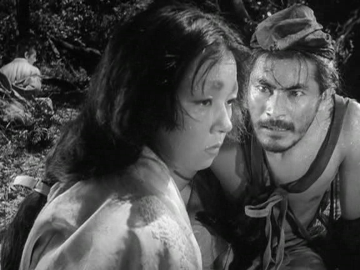
Toshiro Mifune and Machiko Kyo in Rashomon

Continue reading

Ugetsu (1953)

Or, if you want the complete, expanded name, Ugetsu Monogatari (Tales of Moonlight and Rain), named for the collection of supernatural stories by 18th century Japanese writer, Ueda Akinari. Two of the stories from this book—Asaji ga Yado (House amid the Thickets) and Jasei no In (Lust of the White Serpent) were adapted, and directed by Kenji Mizoguchi in what was to become one of the most highly acclaimed Japanese films of all time: Ugetsu went on to win the Silver Lion at the Venice Film Festival; has been listed as one of the best films made in Sound and Sight magazine’s top ten critics poll; and has appeared in countless other ‘best movies’ lists.

Without wasting more time on listing its achievements, though, something about what the story is all about.

We begin with a brief introduction to the time and place. This is 18th century Japan; a civil war is raging; and in a small rural community, the villagers are trying hard to keep body and soul together despite the violence that surrounds them. When we get into the story proper, it’s to find a potter, Genjûrô (Mayasuki Mori), loading a consignment of his pottery onto a cart to take to market.

Genjuro prepares to go to Nagahama Continue reading