Back from the Bangalore Literature Festival

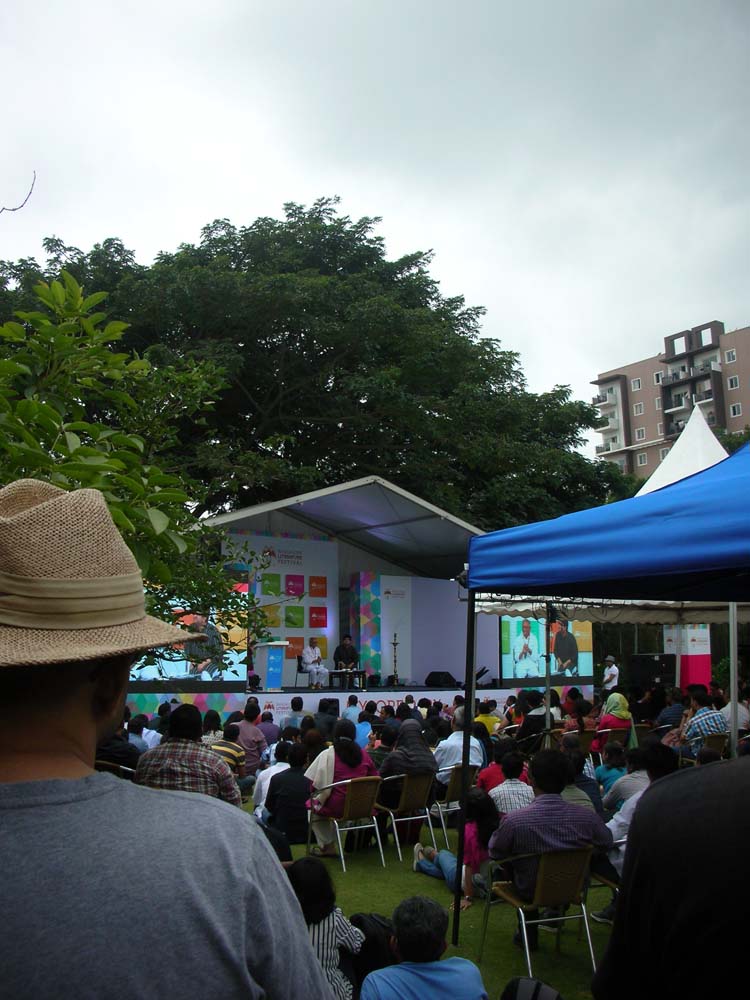
I’ve been absent from this page in the recent past, but all for a good cause (I think!). Firstly, I’ve been hard at work on the fourth Muzaffar Jang book. Secondly, I’ve been spending some quality time with other authors, readers (and potential readers, I hope) at the Bangalore Literature Festival, 27th-29th September 2013.

A session with Gulzar and Prasoon Joshi at the Bangalore Literature Festival

A session with Gulzar and Prasoon Joshi at the Bangalore Literature Festival

Continue reading

A Short Story Published: ‘Just Like Hutton’

“Simla, newly-washed by the afternoon rain, sparkled in the sun. As they made their way through Lakkar Bazaar, Kishore and Bhaskar saw shopkeepers wiping down shop fronts and lugging out wares that had been pulled inside when the storm burst.

‘Ma will be furious,’ Bhaskar said as they passed an old Bhutia, hunched under a load of skins as smelly and weathered as him. ‘We’ve never been this late before.’

‘It’s never rained so hard before. Chaachi knows we can’t play cricket in the rain.'”
Continue reading

The Red Fort: Some did-you-knows

Happy Independence Day!

…and, since the Red Fort is the venue of the Prime Minister’s annual address to the nation on this occasion, how about some facts about this set of buildings?

First, the very basics, and then we’ll move on to five interesting but relatively little-known details about the Red Fort (commonly known as the Lal Qila now, but in Shahjahan’s period, also referred to as the Qila Mubarak and the Qila-e-Mualla).

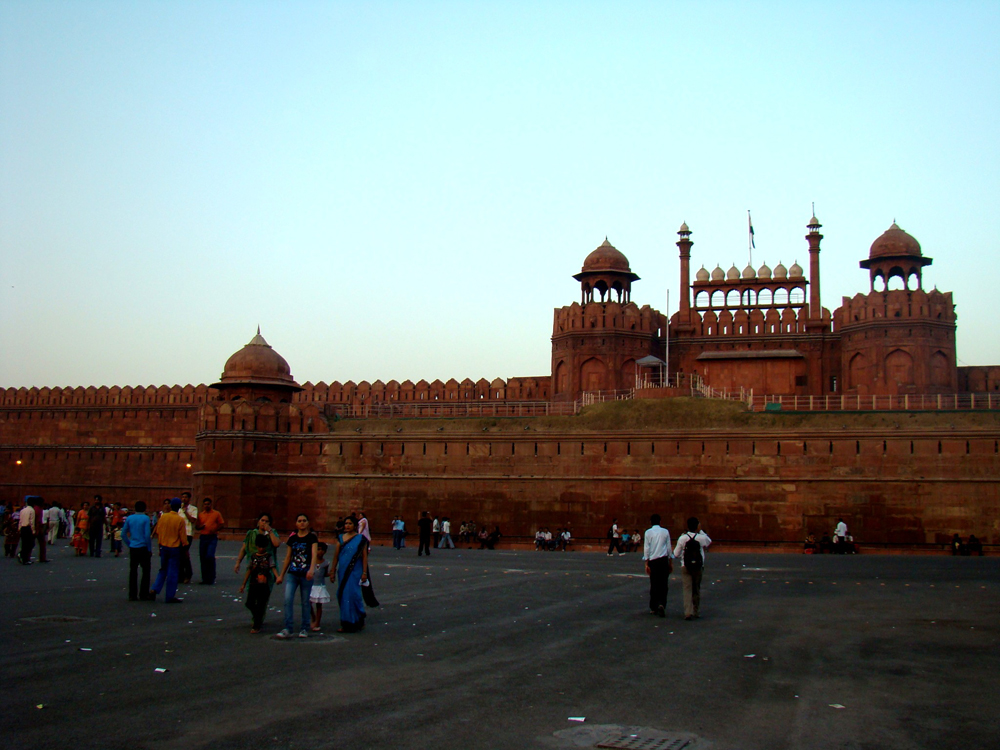
Looking towards the Lahore Darwaza of the Red Fort.

Looking towards the Lahore Darwaza of the Red Fort.

Continue reading

A quick lesson in Mughal architectural elements

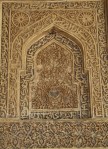
Do you know what this is called? If you’ve been to Delhi’s Red Fort (or to some of the other Mughal-era forts, such as the fort at Agra), you might have seen this odd-looking architectural element, typically positioned high up … Continue reading

The hunt for Strasbourg’s best foie gras

[This is a version of an article I wrote for the June 2013 issue of National Geographic Traveller India]. It is a sunny summer day, and my husband and I are in Strasbourg’s Palais Rohan. After the Nôtre Dame Cathedral, … Continue reading

On putting a value to a story

…Or to a painting, a photograph, a piece of music, or just about anything created. Even a dish.

I am not often tempted to write essays, and even this one isn’t going to be an extremely analytical one. Rather, a response to something that happened online last week.

To set the scene, a little bit of background. If you see my Twitter profile, I call myself (among other things) a foodie. I enjoy experimenting with food, I like eating out, and I am generally interested in food—what goes into it, its history, and so on. So, when an ex-boss invited me to a Facebook foodie group about a year back, I joined happily. I participate only occasionally, but I do keep an eye on what’s happening. People post recipes, discuss restaurants and food stores, talk about issues related to food, and so on.

Continue reading

Coping with the summer, Mughal style

There aren’t any records of how high summer temperatures rose during Shahjahan’s day—either in Dilli or across the rest of the northern plains—but one can safely assume that they probably wouldn’t have been much different from today’s broiling heat. So how did the Mughals survive the summer?

For the Emperor, his court, and the very wealthy, the solution was to leave the plains and spend the summer in the cool green Kashmir Valley.

A view of the mountains and lakes in Kashmir.

A view of the mountains and lakes in Kashmir.

Continue reading