
This is a film that’s been on my radar for a long time—in fact, from when I first read about it on Memsaab’s wonderful but now sadly defunct blog. As those who have read my Muzaffar Jang books might know, I find certain sections of Mughal history (especially around the reigns of Akbar, Jahangir and Shahjahan) fascinating. So rich, so interesting, a period of such efflorescence, in different ways. Spirituality; art; architecture; beauty in myriad forms. Among the greatest examples of the Mughal contributions to culture is the exquisitely beautiful Taj Mahal, ‘a teardrop on the cheek of time’, as Rabindranath Tagore put it.
The Taj has been the subject of numerous films over the year (the latest one seems to be controversial enough to have run into trouble). Arguably the most famous film on the subject is the 1963 version, starring Beena Rai and Pradeep Kumar and directed by M Sadiq; there have been more recent ones, including a 2005 one named Taj Mahal: An Eternal Love Story, supposedly the most expensive Hindi film of its time.
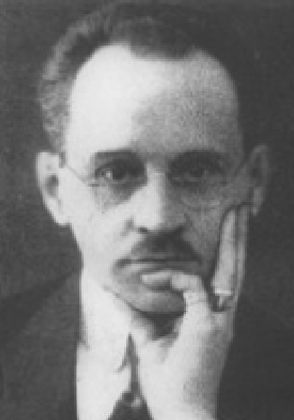
Long before all of these was this silent film, directed by the Bavarian film-maker Franz Osten and produced by Himanshu Rai (who also played the titular role in the film). Himanshu Rai’s interest in cinema had led him to visit Germany, where he had spent some time with the Emelka film production company, exploring ways of getting German collaboration to produce an Indian film. When Rai returned to India, he brought with him one of Emelka’s best directors, Osten, as well as several of their top technicians. Osten went on to direct 16 films in India over the years, of which the second was this one, a story about how the Taj came to be built.
 Dustedoff