How about a ‘Classic Bollywood’ quiz?

To begin with: don’t bother with this quiz; it isn’t valid any more (see my next post for the quiz that’s now THE quiz). You can scroll down to the end of this post to see the answers to most of the questions (the ones that didn’t get correctly answered are part of the latest quiz).

But first, an announcement regarding a mini project this blog’s been on.

Back in May this year, I set a target for myself: to create a series of posts, each of which would be linked to the post preceding it, and the post succeeding it, in some way or the other. Posts could share common themes, genres, crew (directors, writers, actors and actresses, whatever), or – well, just about any logical connection. I decided I’d continue until I either:

(a) Ran out of ideas, or
(b) Closed the loop – that is, ended up with a post that somehow connected with the post that began the series.

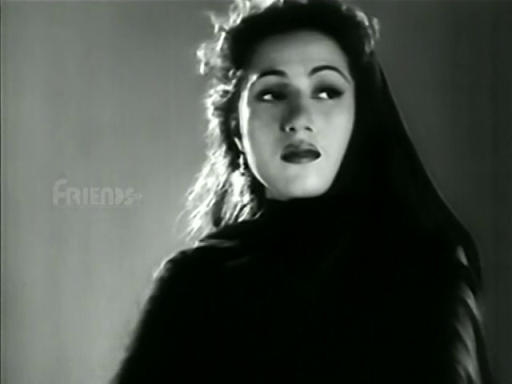
So here we are. The post I began with was Ek Saal (1957), which starred Ashok Kumar and Madhubala. The post I published last week was Mahal (1949), also starring Ashok Kumar and Madhubala. Loop closed.

Continue reading →

Mahal (1949)

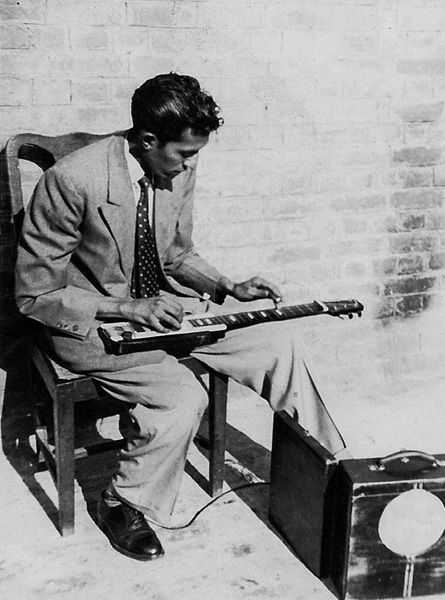
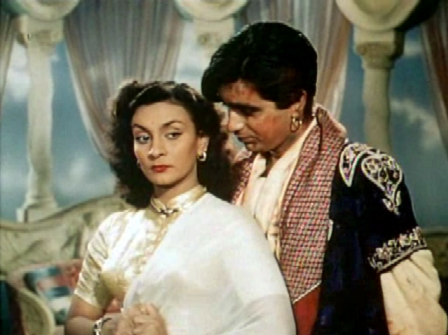
Since my last post was about my uncle, the guitarist David Vernon Kumar, it seemed appropriate to devote this post to one of the films for which he played. Mahal, made when my uncle was about 20 years old, featured the hauntingly melodious Aayega aanewaala, the song that shot Lata Mangeshkar into the limelight – also a song, which, if you listen carefully, has some beautiful guitar notes. Played by my Vernie tau.

Continue reading →

Introducing ‘Kumar Sahib’

After having waxed so long and eloquent about my parents, my sister, my cousin, and a couple of other relatives (not to mention servants!) in the context of our love for cinema – it’s time to focus on the one link my family does have to cinema. The one person from our family who made it to the Hindi cinema industry in Bombay, back in the golden years.

David Vernon Liddle, who called himself David Vernon Kumar. People in the industry used to call him ‘Kumar Sahib’, and he was my father’s elder brother.

Continue reading →

My Family and Other Film Fanatics

…with due apologies to Gerald Durrell.

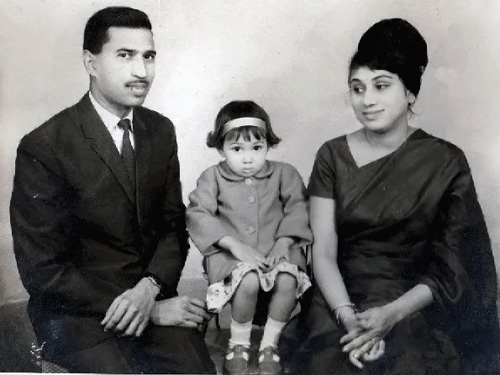
Since my review of Aan consisted to a large extent of my family’s almost constant commentary on the film, I figured it was time to introduce you to them – and show you what we’re all about, especially when it comes to watching, appreciating, and mangling cinema.

This is an early shot of the Liddles:

Continue reading →

Aan (1953)

I’ve seen this film – a ‘raja-rani’ film, like Rustom-e-Hind – several times, but the most memorable viewing of it was at my parents’ home a couple of years ago.

Continue reading →

Rustom-e-Hind (1965)

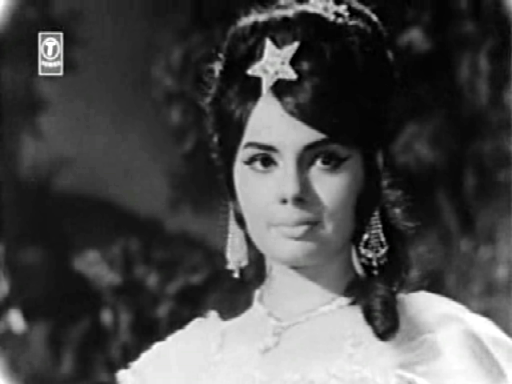
Mumtaz, as I mentioned in my last post, was one of the best things that happened to Mere Sanam. She may not have had much screen time in the film, but she certainly left her mark – more than she’d been doing in the B-grade films she’d mostly appeared in till then.
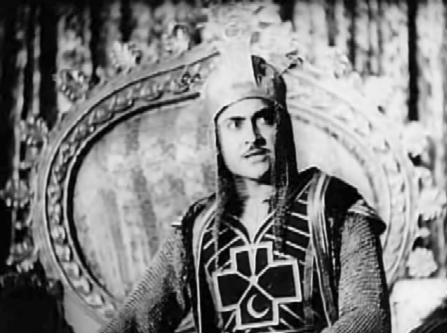
Rustom-e-Hind, made in the same year as Mere Sanam, is an example of that type of film. It’s basically a Dara Singh showcase – so there’s lots of showing off of wrestling – but Mumtaz gets to smile prettily and flutter her eyelashes, if nothing else.

Continue reading →

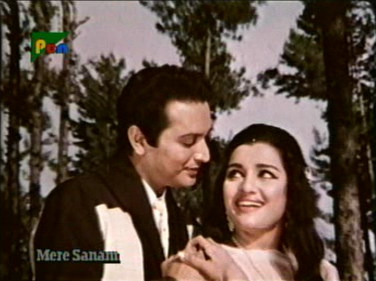
Mere Sanam (1965)

Nasir Hussain may have made his Tumsa Nahin Dekha story into four separate – and equally successful – films, but did that induce others to be original? On the contrary. Narinder Bedi, at least, probably seemed to think that what worked for Nasir Hussain might well work for him. Therefore, Mere Sanam, which has a storyline similar in many ways to Tumsa Nahin Dekha. (Both films also have fantastic music by OP Nayyar, by the way).

Continue reading →

Tumsa Nahin Dekha (1957)

If Rajkumar is the trademark ‘Shammi Kapoor at his peak’ film, then Tumsa Nahin Dekha is an equally – if not more – important film, because this is the one that made Shammi Kapoor into the icon he was by the mid-60s. Till Nasir Hussain got Shammi Kapoor to shave off his moustache and act as the devil-may-care hero of this film, Shammi was (as my father puts it), “Just another actor with a thin moustache and the usual roles. Nothing exceptional.” Tumsa Nahin Dekha gave him the opportunity to transform from the half-hearted, unexceptional sort-of-hero into a Shammi Kapoor who became almost an institution in himself.

Continue reading →

Rajkumar (1964)

My blog has featured Shammi Kapoor now and then – with reviews of some of his films, in my list of classic Hindi cinema’s handsomest men (which he topped, by a very long margin), and in various lists of songs.

Yesterday morning, when I woke up and logged on to the Internet, the first news headline I saw was that Shammi Kapoor had passed away. I have never been so affected by the passing away of one of the many stars of the past who have died in the recent past… but the news of Shammi Kapoor’s death brought tears to my eyes. I have a lump in my throat even as I type this.

I had not really intended to write this review now. I am in the midst of a blog project in which each post links to the previous and the next posts in some way or the other. But I could not ignore the passing of my favourite actor. I would never forgive myself for that. So, while this post does have a connection to the last (Humayun was a ‘raja-rani’ – ‘king-and-queen’ – film; so is Rajkumar), it is, first and foremost, a tribute to the brightest, most joyous and most entertaining star of the 60s. A sun that will never set.

Continue reading →

Humayun (1945)

One of the main characters in Prince of Foxes was a man who actually existed in history: Cesare Borgia (1475 (?) – 1507 AD). This post is about a film that features one of Cesare Borgia’s contemporaries, a man born halfway across the world, seven or eight years after Cesare Borgia was born. A man as ambitious as Borgia, and a man who had as marked an impact on the history of India as Cesare Borgia did on Italy. This was Babur, the founder of the Mughal dynasty – without which we wouldn’t have had the Taj Mahal, Fatehpur Sikri, murgh musallam, and who knows how many Hindi films.

Humayun is (as the name suggests) more about Babur’s son and successor Humayun (who, coincidentally, was born almost exactly a year after Cesare Borgia died – Borgia died on March 12, 1507; Humayun was born on March 7, 1508). But the film begins with Babur (Shah Nawaz) invading India, so Babur does play quite an important role in the scheme of things.

Continue reading →