
Today, September 8, is International Literacy Day. In 1967, this day was designated as such by UNESCO to emphasize the importance of literacy in maintaining dignity and as a matter of basic human rights. Every year, a different theme related to literacy is used as the focus of special programmes and initiatives across the world: women’s empowerment, for instance; or the connection between literacy and controlling epidemics.
So what does that have to do with Hindi cinema? Not much, I admit, though there have been Hindi films—especially in the 50s, when India under Nehru was trying very hard to haul itself up into modernity—when there was the occasional film which made an attempt to underline the importance of being literate. Anpadh, for instance; or Bahurani, both of which showed how literacy can enlighten people. Similarly, Nartakee, and Ek ke Baad Ek, which too had literacy and education as important elements of the story.
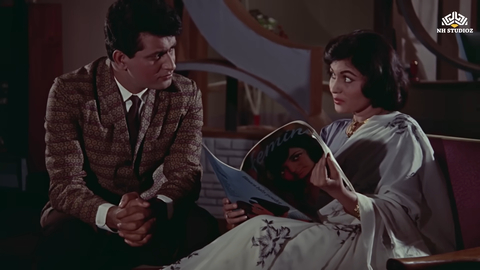
While literacy may not be the point of most Hindi films, there’s no denying that few films go by without at least one character shown reading something. A book (to be seen in many films, even clearly identifiable books, as I’ve mentioned in these posts). A letter—at times so incriminating. A newspaper, often carrying some very vital piece of news, sometimes even shown rolling off the presses or being sold on the streets. A magazine (Life? Everybody fashionable in 60s cinema seemed to read Life).








 Dustedoff